Most home service owners do not have a lead problem. They have a "who is going to do the work" problem. The phone rings, the calendar fills up, and the owner is still the one on the roof, in the crawl space and on every estimate.
Learning how to hire for a home service business is the thing that turns a job into a company. And the good news is that hiring works a lot like marketing, which is the part I spend all day on.
Why hiring is the real ceiling for service businesses
I talk to contractors, cleaners, pest control guys and fence companies every week. The story is almost always the same. They spent years getting good at the work, then got good enough at marketing to stay busy, and now they are stuck at whatever one person, or one crew, can physically handle.
If you cannot staff the jobs, more leads just means more people you let down, and the slow callbacks and rushed work show up in your reviews.
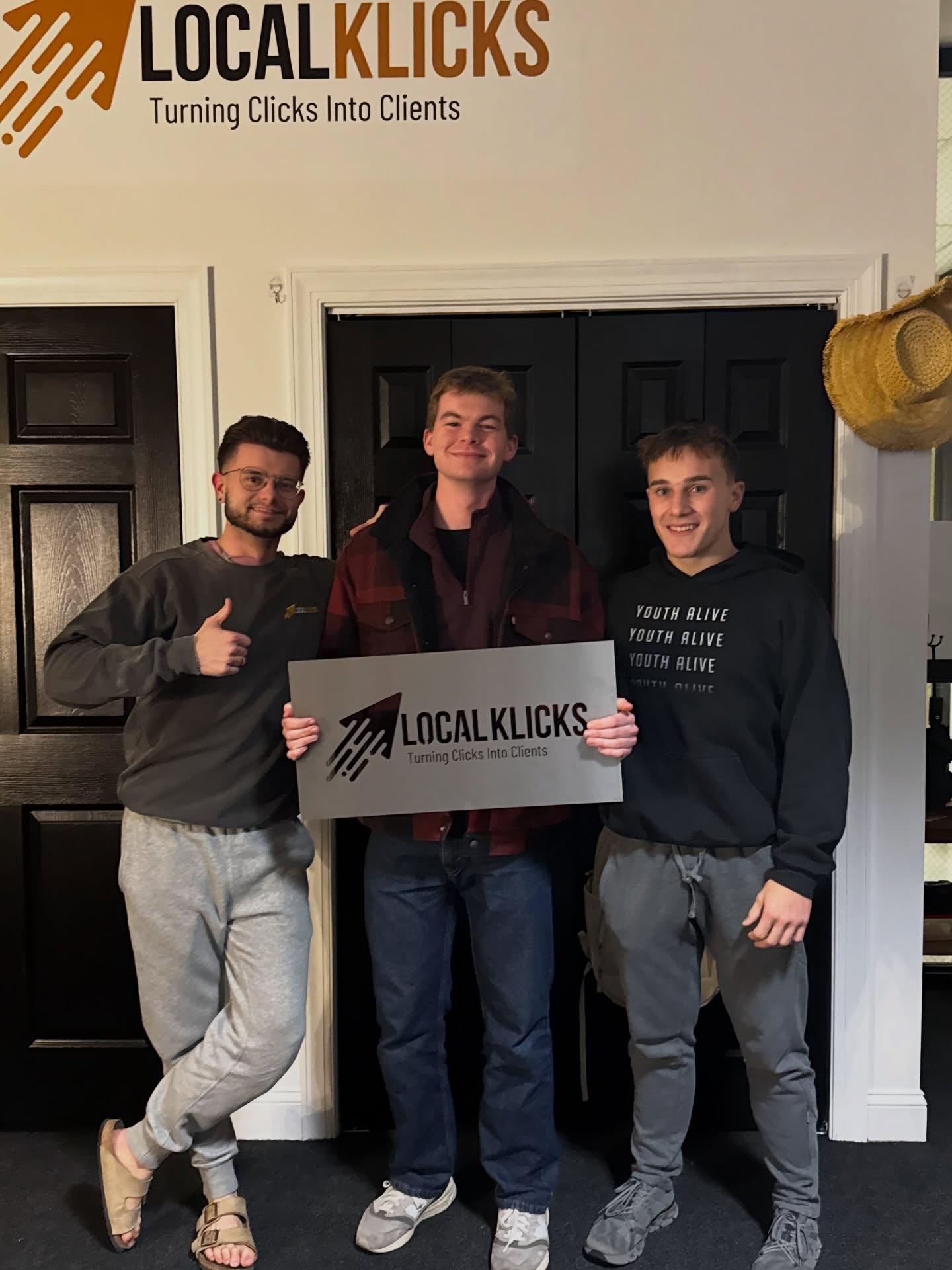
That is why we ran our first live Local Klicks event in September at the Bright Box in Winchester on exactly this: finding key players. Owners showed up because it is the thing keeping them up at night, not ad costs.
Most owners hire the wrong way
Here is how hiring usually goes in a small service business:
- The owner is completely buried.
- They post "Now hiring, must have license and truck, call 540-XXX-XXXX" on Facebook.
- Three people respond. One shows up.
- They hire that one because they need a body tomorrow.
- Six weeks later that person is gone, or worse, still there and costing them customers.
The problem is not that good people do not exist. It is that the owner waited until they were desperate, wrote a post nobody wanted to answer, and then picked from whoever was left.
Hire before you are drowning. If you are booked out two to three weeks for most of the season, that is your signal to start, not the week your best guy quits.
Treat your job post like an ad
Here is the mindset shift. A job post is an ad. The person you want to hire is a customer, and right now they are being sold by every other company in your town, plus the big box stores, plus the guy who keeps telling them to go out on their own.
The best people already have a job. They are not scrolling job boards. You have to give them a reason to stop.
Lead with what is in it for them
Most job posts are a list of demands: must have this, must do that, no drama, no drug users. Flip it. Open with what working for you actually looks like:
- When they start, what they earn, and how they can earn more
- Whether they get a company truck, tools or a uniform
- What a normal day and a normal week look like
- Whether they get home for dinner
- Where the job can go in two or three years
Then list the requirements that actually matter.
Be specific and honest
"Competitive pay" means nothing. If you can post a real pay range, do it. People skip posts that hide the money, and it saves you from interviewing someone who was never going to take your number.
Be honest about the hard parts too. If it is hot attics in July, say so. The people who still apply after reading that are the ones who stay.
Put your face on it
A short phone video of you, the owner, talking about the job and the crew will beat a text post almost every time. The owner on camera builds trust fast. Film it at the shop or on a job site. If you need ideas for filming on your phone, my post on short-form video for roofers covers the basics, and they work for hiring videos too.
Where to find good people
Running a paid job ad on Facebook and Instagram can work well for local service roles, because that is where your future techs are already spending time. A clear ad with your face and real pay, shown to people near you, will usually out-pull a free post sitting in a group.
But do not stop there. Some of the best hires I have seen came from:
- Your current crew. Ask them who they know. Pay a referral bonus once the new hire makes it past their first few months.
- Your customers. People who loved your work sometimes know someone, or are someone, looking for a change.
- Your own social media. Every job site video you post is also a recruiting video. People want to work for the company that looks busy and proud of its work.
Speed to hire matters as much as speed to lead
I wrote a whole post on speed to lead, and the same rule applies to applicants. A good candidate who applies on Tuesday night is talking to two other companies by Thursday.
If someone applies, reach out the same day. A quick text and a call. Book the conversation for this week, not "sometime next week when things slow down." Things never slow down. That is why you are hiring.
Keep the application short. Nobody good fills out a six page form on their phone. Get the basics and a phone number, then talk.
Hire for attitude, train for skill
For most home service roles, you can teach the work. You cannot teach someone to show up on time, look a homeowner in the eye or care whether the job is done right.
When you talk to candidates, you are listening for things like:
- Do they show up when they said they would, and answer when you call?
- How do they talk about their last boss and their last crew?
- Do they take ownership when something went wrong, or blame everyone else?
- Would you feel good sending them alone into a customer's house?
That last one is the real test. Your techs are your brand. Every customer review mentions the person who showed up.
Do a paid working interview
Before you offer a full time spot, bring your top candidate out for a paid day on a real job. Pay them for their time. You will learn more in one day of watching them work, talk to a customer and handle a problem than in three interviews.
The first 90 days decide if they stay
Most owners put all their effort into finding someone and almost none into what happens after they say yes. Then they wonder why people leave in the first two months.
A new hire should know, before day one:
- Who they report to and who trains them
- What "good" looks like at 30, 60 and 90 days
- How and when they get paid, and how raises work
- What to wear, where to be and what time
Check in every week for the first month, even for ten minutes. Ask what is confusing and what is going well. Fix the small stuff fast. People rarely quit over one big thing. They quit after a pile of small things nobody fixed.
Write down how you do things
If the only training manual is in your head, every new hire costs you weeks. Start simple: a short checklist for how you prep a job, how you talk to a homeowner, how you clean up and how you close out. Record a few phone videos of you doing the key tasks. You will reuse them for every hire after this one.
Your home service hiring checklist
- Start hiring when you are booked out, not when you are desperate.
- Write the job post like an ad: what they get first, requirements second.
- Post a real pay range.
- Be honest about the hard parts of the job.
- Film a short video of you talking about the job and the crew.
- Ask your crew and your customers who they know, and pay referral bonuses.
- Respond to every applicant the same day.
- Keep the application short.
- Hire for attitude and reliability, then train the skills.
- Run a paid working interview before you make an offer.
- Give every new hire a clear 30, 60 and 90 day picture.
- Check in weekly for the first month and write down how you do things.
Frequently asked questions
When should a home service business make its first hire?
When you are consistently booked out and turning down or delaying work, and the jobs you are pushing back would pay for the new person. Waiting until you are completely burned out usually means you hire in a panic and pick the wrong person.
Should I hire experienced techs or train people from scratch?
Both can work. Experienced techs get productive faster but sometimes bring habits you have to undo. People with a great attitude and no experience take longer to train but often fit your way of doing things better. Many good companies hire one experienced lead and build green helpers around them.
Do paid job ads actually work for service businesses?
They can, when the ad sells the job the same way a good customer ad sells the service: a real person, real pay, and a clear picture of the work. A boring post with a list of demands will not get much better results just because you paid for it.
How do I keep good employees once I find them?
Pay fairly, be clear about expectations, check in often in the first few months, and show them a path to earning more. Most people stay where they feel respected and can see a future.
Build the team before the busy season
Spring is coming, and every service business in your area is going to be scrambling for help at the same time. The owners who start now, with a job post that sells, a fast response and a real plan for the first 90 days, are the ones who walk into the season with a crew ready to go.
Once your team is ready to handle more work, the next step is keeping the calendar full. That is what we do at Local Klicks: ads, follow-up and the systems behind them for local service businesses. Book a quick intro call and we will look at your market together. If you want the bigger picture first, you can read more about me or grab the book.
Get the next post in your inbox